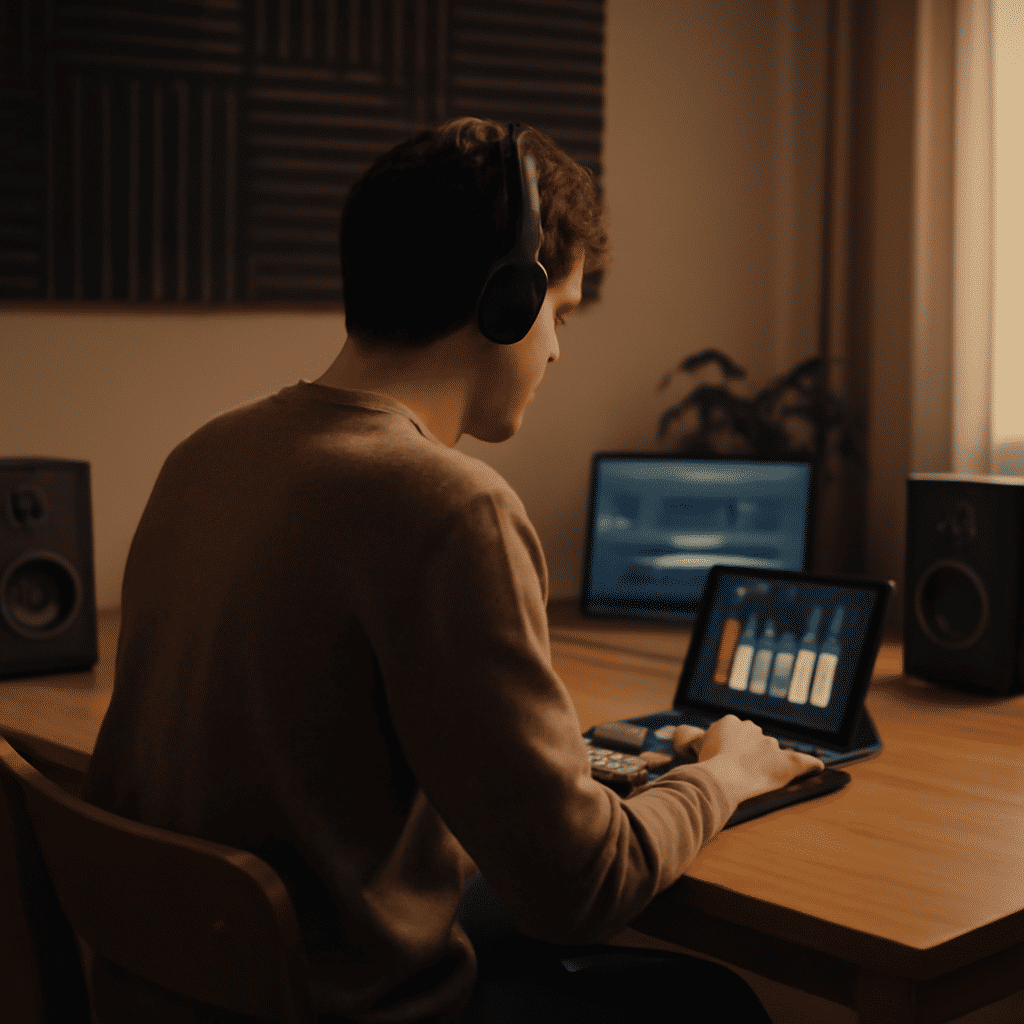
Creating music is both an art and a science, blending creativity with technical skill to produce something that resonates. For aspiring musicians and producers, navigating the intricate world of music production can often feel overwhelming. However, with the right guidance, anyone can learn the craft and develop their unique sound. Here’s a comprehensive guide to help you on your music production journey.
Understanding the Basics
At the core of music production is understanding the essential components: melody, harmony, rhythm, and dynamics. Each element plays a critical role in shaping your music. Knowing how to manipulate these elements effectively will allow you to create compositions that are both compelling and unique.
-
Melody: Often the most memorable part of a song, the melody is the sequence of notes that catches the listener’s ear. Experiment with different scales and modes to discover emotional contours that fit your vision.
-
Harmony: This involves the combination of notes played simultaneously to support the melody. Understanding chords and chord progressions will add depth and complexity to your music.
-
Rhythm: The backbone of any track, rhythm drives the pace and groove. Dive into different time signatures and rhythms to give your track the desired hip sway or foot-tap effect.
-
Dynamics: This refers to the volume changes throughout a track. Dynamics are crucial for building tension and release, creating an engaging listening experience.
Setting Up Your Studio
You don’t need an elaborate setup to start producing music, but having the right tools is essential.
-
Digital Audio Workstation (DAW): This is the core software for music production. Popular options include Ableton Live, Logic Pro, and FL Studio. Each has its strengths, so try a few and see which one aligns with your workflow.
-
Audio Interface: This hardware allows you to get audio in and out of your computer. It’s essential for recording high-quality sound.
-
Studio Monitors/Headphones: Good speakers or headphones are crucial for mixing. They’ll help you hear your recordings accurately and make better decisions.
-
Microphones: Depending on your focus (e.g., vocals, instruments), invest in a quality microphone to capture the purest sounds possible.
Building Your Skills
Once you have your setup, focus on honing your production skills:
-
Learn the Software: Mastering your DAW is crucial. Explore tutorials, manufacturer guides, and user communities to gain insights and shortcuts.
-
Understand Sound Design: Learn to manipulate sound waves using synthesizers and samplers. This will help you create unique sounds that can differentiate your music.
-
Mixing and Mastering: These are the processes of balancing and enhancing your track into a polished final version. Study EQ, compression, reverb, and other effects to improve the quality of your mix.
-
Arrangement and Composition: Understand structure and flow. Study existing songs to see how they build tension, break it, and resolve it.
Seeking Feedback and Collaborating
Music production often benefits from collaborative efforts and constructive criticism. Share your tracks with trusted peers, or even online music communities, to gain diverse perspectives. Collaboration can also introduce you to new ideas and techniques outside your usual style.
Staying Creative
The road to mastering music production is long and filled with learning curves, but it’s important to stay inspired. Create playlists of diverse genres, attend live shows, or participate in music challenges. Find what fuels your creativity and keeps your passion alive.
Conclusion
Embarking on a music production journey is an exciting and rewarding experience. With a firm grasp on the fundamentals, a functional setup, and a commitment to continuous learning, you can shape your musical identity and make your mark in the industry. Remember, every great producer started somewhere—your creative potential is boundless.